The Space Between Scenes: Why Waiting Might Be the Most Powerful Part of Your Kink Life
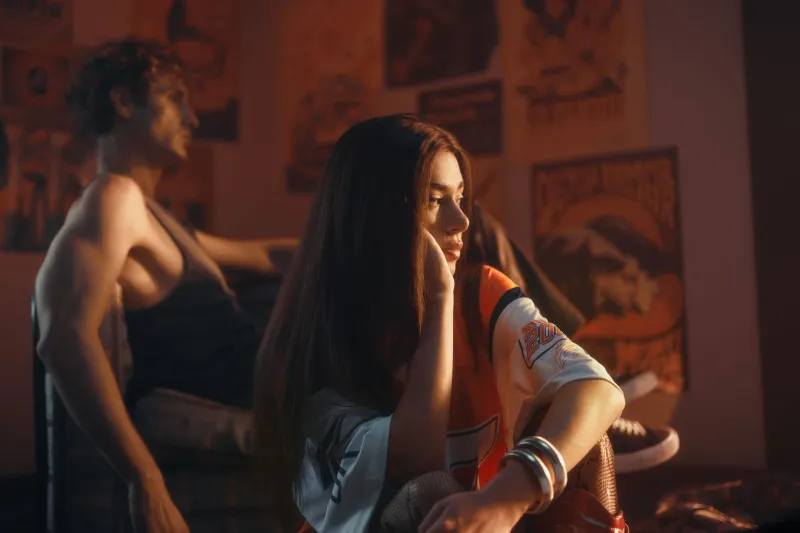
There's a moment a lot of people in the scene describe the same way, even when they've never met each other. It's not the moment of impact. It's the hours — sometimes days — before it. The text that just says tonight. The look across the dinner table that carries the full weight of what's been agreed upon. The way the air feels different when both people know what's coming.
If you've experienced that feeling, you already understand on a gut level what researchers and longtime practitioners have been talking about for years: the wait might be the whole thing.
What Your Brain Is Actually Doing During the Buildup
Let's start with the neuroscience, because it's genuinely fascinating and it makes the whole experience make a lot more sense.
When you're anticipating something pleasurable — something you want intensely — your brain's dopamine system kicks into gear well before the reward actually arrives. Dopamine, which most people associate with pleasure itself, is actually more accurately described as a wanting chemical. It fires hardest during the anticipation phase, not the receipt phase. This is why the trailer for a movie you love can feel more exciting than the first ten minutes of the actual film.
For spanking specifically, that anticipatory window activates the nervous system in ways that prime the body for heightened sensation. Heart rate elevates. Skin becomes more sensitive. The amygdala — your brain's emotional processing center — starts tagging everything in the environment as meaningful. The smell of a specific cologne, the sound of a belt being removed, even a particular room in your house can become loaded with significance.
This is sometimes called contextual arousal, and it's one reason why experienced practitioners often invest heavily in pre-scene rituals. The ritual isn't just theater. It's neurological preparation.
The Emotional Architecture of Waiting Together
Beyond the individual brain chemistry, there's something relational happening during the anticipation phase that deserves its own conversation.
Couples who practice consensual spanking and power exchange often report that the between-scene period — what some call the negotiation space — is where their deepest emotional intimacy actually lives. It's where desires get named out loud. Where limits get revisited. Where one person communicates trust by yielding, and another communicates care by accepting that trust responsibly.
That's not a small thing. In a culture where most people struggle to talk openly about what they actually want in bed, the built-in communication structure of BDSM-adjacent practices creates a framework for radical honesty. The anticipation period essentially forces both partners to stay emotionally present and verbally engaged in ways that purely spontaneous intimacy often doesn't.
Long-term practitioners frequently describe the buildup as the phase where connection deepens most noticeably. The scene itself is the culmination, but the emotional thread gets woven in the days and hours before.
Delayed Gratification as a Skill (and a Choice)
American culture doesn't exactly reward patience. We stream what we want instantly, order same-day delivery, and swipe through options at a pace that would have seemed absurd fifteen years ago. Against that backdrop, deliberately building anticipation into an erotic practice is almost countercultural.
And that resistance — choosing to wait, choosing to extend the wanting — turns out to have measurable psychological benefits. Research on delayed gratification consistently shows that the ability to tolerate and even enjoy a waiting period is associated with greater satisfaction when the reward finally arrives. The brain essentially calibrates its response upward based on the length and intensity of the anticipatory phase.
For people who incorporate spanking into their intimate lives, this can translate into scenes that feel dramatically more intense — not because anything physically different is happening, but because the nervous system has been primed for hours or days beforehand.
Some practitioners deliberately engineer long anticipation windows. A note left in the morning. A specific phrase used at lunch. Incremental, low-key signals that accumulate into something overwhelming by the time the scene actually begins. Others use journaling or private messaging to stay in a low-level state of arousal and emotional openness throughout the day.
When the Wait Becomes Its Own Kind of Scene
For some people, the anticipation phase has evolved into something they value as much as — or more than — the physical scene itself. This isn't unusual, and it doesn't mean the physical dimension has lost its appeal. It means the erotic imagination has expanded to include the full arc of experience, not just its peak.
This is particularly common among people who've been practicing for years. Early in a kink journey, the physical experience tends to dominate attention. Over time, many practitioners report that their appreciation for the surrounding emotional and psychological texture grows significantly. The scene becomes embedded in a larger experience, and that larger experience becomes the thing they're actually craving.
Content consumers sometimes notice a version of this too. The most compelling spanking content — the kind that sticks with you — often isn't the most extreme. It's the content where the buildup is visible. Where you can feel the tension between the performers before anything physical happens. That narrative charge is exactly what the anticipation phase creates in lived experience.
Practical Ways to Extend and Deepen the Buildup
If this resonates with you, there are some genuinely practical ways to start building more intentional anticipation into your scene life:
Establish a pre-scene communication ritual. This could be as simple as a specific phrase, a particular exchange of messages, or a physical object that signals a scene is upcoming. Consistency builds the associative charge over time.
Use time as a tool. If you typically move from conversation to scene quickly, try extending the gap. Give the nervous system time to settle into the anticipatory state rather than rushing through it.
Name what you're looking forward to. Verbally or in writing, articulate what you're anticipating. This engages the prefrontal cortex in the emotional experience and tends to deepen it.
Pay attention to the physical sensations of waiting. The elevated heart rate, the skin sensitivity, the heightened awareness of your environment — these are worth noticing in their own right, not just as a means to an end.
The space between scenes isn't dead time. For a lot of people, it's where the real experience lives. And once you start paying attention to it, it's hard to go back to treating it like nothing.