Browse Smart, Stay Hidden: A Real-World Privacy Playbook for Adult Content Fans
Let's be honest — one of the biggest reasons people hesitate to explore premium spanking content isn't the content itself. It's the lingering worry about privacy. Who can see your browser history? What does your credit card statement actually say? Is your ISP keeping tabs? These are legitimate questions, and they deserve straight answers rather than vague reassurances.
This guide is for adults who want to engage with platforms like this one fully and confidently, without that low-level anxiety running in the background. None of this is complicated, and you don't need to be a tech wizard to pull it off.
Why Privacy Matters More Than You Think
Most people underestimate how much of their online activity is visible to third parties. Your Internet Service Provider can see every domain you visit unless your connection is encrypted. Your browser stores cookies, cached images, and a detailed history of where you've been. Payment processors log transaction details that sometimes show up on statements in ways that are less discreet than you'd hope.
None of that means you're doing anything wrong — you're an adult engaging with legal content made for adults. But privacy is a reasonable expectation regardless of what you're browsing, and the tools to protect it are widely available and easy to use.
Start With a VPN — and Pick a Good One
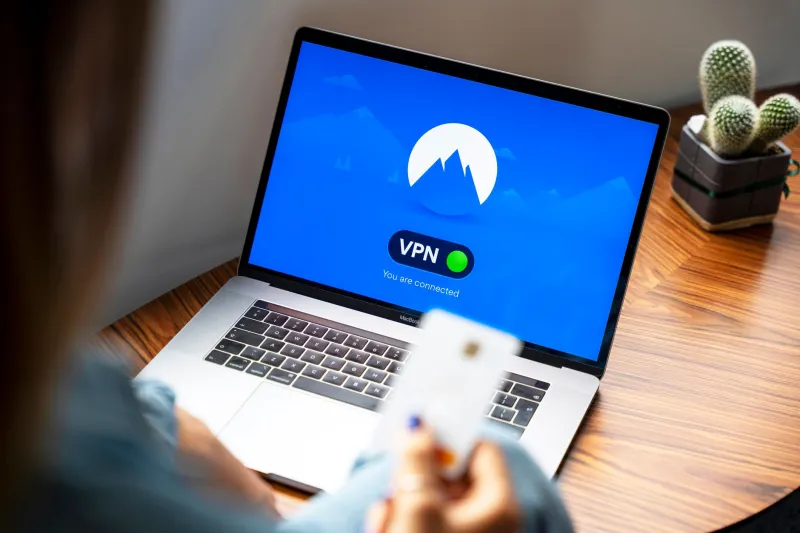
A Virtual Private Network (VPN) is the single most effective first step you can take. It routes your internet traffic through an encrypted tunnel and masks your IP address, which means your ISP sees only that you're connected to a VPN server — not which sites you're visiting.
For US users, a few names consistently rise to the top: Mullvad, ProtonVPN, and ExpressVPN all have strong reputations for not logging user activity. That last part matters enormously — a VPN that keeps detailed logs of your browsing is only marginally better than no VPN at all. Look specifically for providers with a verified no-logs policy, ideally one that's been independently audited.
Free VPNs are tempting but often counterproductive. Many monetize your data in ways that defeat the entire purpose. Spend the $5–$10 a month on a reputable paid service and actually get what you're paying for.
Browser Choices and Habits That Actually Help
Your browser is the second layer of the equation. Chrome is convenient, but it's also deeply integrated with Google's data ecosystem. For private browsing, Firefox with a few privacy-focused extensions is a solid choice. Brave is another strong option — it blocks trackers by default and doesn't require much configuration.
Regardless of which browser you use, a few habits go a long way:
- Use private or incognito mode for adult browsing sessions. This prevents your browser from storing history, cookies, or cached content locally. Note that it doesn't hide your activity from your ISP — that's what the VPN handles.
- Install uBlock Origin to block third-party trackers and ads that follow you across sites.
- Clear cookies regularly, or configure your browser to do it automatically when you close a session.
- Avoid logging into personal accounts (Google, Facebook, etc.) while browsing adult content. Cross-site tracking is real, and those platforms are very good at connecting dots.
Payment Methods: Keeping Your Statement Clean
This is where a lot of people get tripped up. Even if your browsing is locked down, a credit card charge with a recognizable descriptor can be awkward — whether it's a partner glancing at a statement or a transaction that just feels more exposed than you'd like.
A few options worth knowing about:
Prepaid debit cards purchased with cash at a drugstore or grocery store are one of the cleanest solutions. They're widely accepted, don't require linking to your bank account, and leave no trail on your regular financial statements.
Privacy.com is a US-based service that generates virtual card numbers tied to your real account. You can set spending limits, use a card once and discard it, and the merchant sees only the virtual number — not your actual card details. It's free for basic use and works seamlessly with most adult platforms.
Cryptocurrency is another option for those already comfortable with it. Bitcoin is the most widely accepted, though it's worth noting that Bitcoin transactions aren't perfectly anonymous by default. If crypto privacy matters to you, look into privacy-focused alternatives or coin-mixing services.
What to avoid: using a shared credit card or a card tied to a joint account if you'd prefer to keep your purchases separate.
Managing Your Device: The Stuff People Forget
Your network and payment security can be airtight, but if you're browsing on a shared family computer or a work device, the risk profile changes entirely. A few practical notes:
- Use a personal device for adult content — ideally one that only you have access to. This eliminates the risk of someone else stumbling across your activity through locally stored files or browser history.
- Be aware of cloud syncing. If your browser syncs history across devices via a Google or Apple account, incognito mode won't help if you accidentally browse outside of it.
- Check your DNS settings. Some ISPs use DNS queries to track browsing activity even when other measures are in place. Switching to an encrypted DNS provider (like Cloudflare's 1.1.1.1 or NextDNS) adds another layer of protection.
- Lock your device with a strong PIN or biometric authentication. Basic, but worth saying.
The Mindset Shift: Privacy as a Default, Not a Reaction
The most effective privacy strategy isn't something you scramble to set up after a scare — it's a set of baseline habits you build once and maintain without thinking about it. A VPN running in the background, a dedicated browser profile for adult content, a prepaid or virtual card for subscriptions: none of this takes more than an afternoon to configure.
Once it's in place, you can engage with premium content — here or anywhere else — without that background hum of worry. And frankly, that's how it should be. You're an adult, this is legal, and your curiosity and your privacy both deserve to be protected.
The content on platforms like Spanking Picture Net exists for exactly this audience: people who know what they like and want to explore it on their own terms. Making sure your digital security matches your intentions is just part of doing that well.